September Lawn Restoration in New Jersey
Compare aeration overseeding and sod before choosing fall work
Choose a fall lawn improvement by identifying why the grass is thin. Compacted soil, drainage, shade, and turf loss can call for different work. Early fall is generally a useful establishment window for cool-season grass in New Jersey, but a treatment that ignores the cause may leave you with the same bare patches next year.
Zadlock Garden & Landscape Supply in Califon offers sod and turf improvements and drainage services. For a lawn that needs more than routine care, request a lawn improvement estimate with photos and a description of the problem.
What is the difference between aeration and overseeding
Core aeration removes small plugs of soil to help relieve surface compaction. Overseeding adds grass seed to an existing lawn to increase density. They address different needs and may be combined when the site calls for both. Aeration does not plant grass; seed alone does not correct deep compaction or poor drainage.
When is sod or a larger renovation a better fit
Consider sod when extensive bare ground or poor existing turf makes improving the old lawn less practical. Sod provides initial cover faster than seed, but still needs time to root and appropriate watering. Recurring wet areas, major grading problems, or deep compaction should be addressed first. Explore Zadlock’s sod and turf services and request an estimate for the work your lawn needs.
How late can you overseed in New Jersey
Rutgers Cooperative Extension identifies a general seeding period of August 15 through October 5 north of Trenton and August 20 through October 10 to the south, favoring the earlier part of each window. These are planning ranges, not guarantees. Grass species, local weather, soil conditions, and time before hard freezes affect establishment. Around Califon, plan early rather than treating the final date as a target.
What should be checked before choosing lawn work
Start with the amount of desirable turf remaining, sunlight, soil condition, and drainage. Note traffic patterns, slopes, watering access, and previous repairs that failed. Soil testing can inform pH and nutrient decisions. A lawn that stays wet or lies in dense shade may need a different solution from an otherwise healthy lawn with a few thin spots.
Your fall lawn restoration checklist
- Photograph bare, compacted, shaded, and repeatedly wet areas.
- Identify the underlying problem before selecting a treatment.
- Compare improving existing turf with replacing larger areas.
- Discuss soil preparation, drainage, and suitable grass selection.
- Confirm watering access and the care needed after installation.
- Ask which services are included and request a written estimate.
- Schedule appropriate work while establishment conditions allow.
Common fall lawn restoration questions
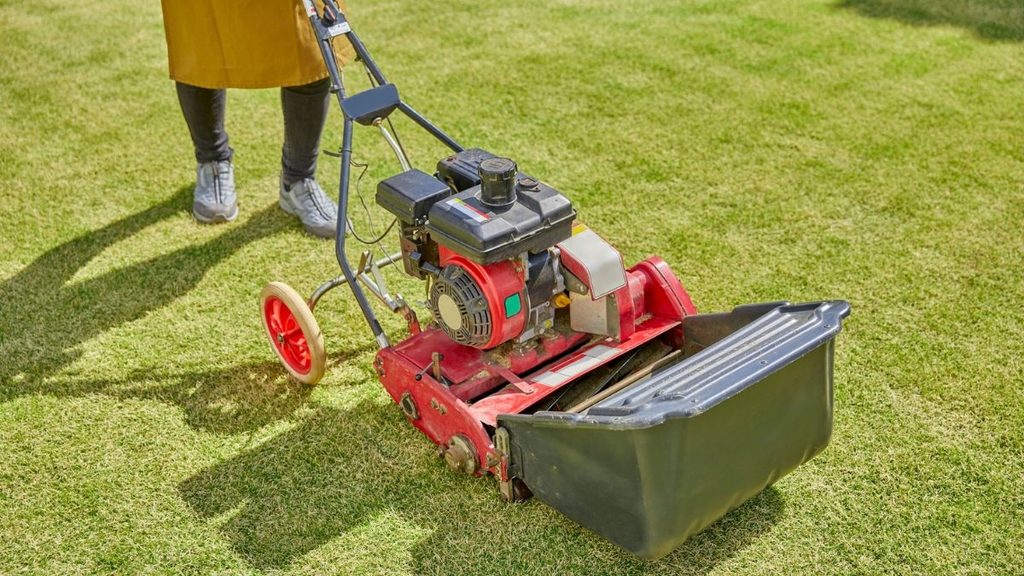
Should aeration happen before overseeding
When both are appropriate, core aeration commonly precedes seeding so seed can reach the soil. The preparation method should suit the site and the cause of thinning.
Will overseeding repair poor drainage
No. More seed will not remove recurring standing water. Evaluate drainage before spending money on seed or sod that may struggle in the same wet conditions.
Can new sod be used immediately
New sod needs rooting time and establishment care. Follow installation-specific watering and traffic instructions rather than treating it as an established lawn on the first day.
Does Zadlock offer aeration and overseeding
Contact our team to confirm whether aeration or overseeding is available for your property. You can also request an estimate for sod, turf, or drainage improvements. Confirm the specific work included before booking.
Request your fall lawn improvement estimate
Turn a patchy lawn into a specific project plan. Request a Zadlock estimate for sod, turf, drainage, or related landscape improvements. Include your address, problem areas, preferred timing, and watering access. For earlier-season preparation, see our August lawn care guide.